
Importing goods involves more than getting a container from the port to a warehouse. Customs clearance, duties, paperwork, storage, and delivery timing can all affect what happens next. When everything lines up, products can keep moving. When something takes longer than expected, having the right storage option becomes important.
That is where bonded storage can help. A bonded warehouse gives importers a secure place to hold certain imported goods before duties are paid and the products are released for use in the United States.
At Accem Warehouse, we work with businesses that need flexible warehousing options near the Ports of New York and New Jersey. Understanding when bonded storage makes sense can help you decide whether it fits your shipment, timeline, and overall logistics plan.
What Is Bonded Storage and How Does It Work?
Bonded storage is used for imported merchandise that is being held under U.S. Customs and Border Protection requirements.
In simple terms, certain imported goods can enter an approved bonded warehouse without the importer immediately paying the duties that would normally be due when the merchandise enters U.S. commerce. The products remain under customs control while they are stored.
According to U.S. Customs and Border Protection, imported dutiable merchandise can generally remain in a customs bonded warehouse for up to five years from the date of importation. Different rules can apply depending on the merchandise and the type of bonded warehouse involved.
This does not mean the products are simply placed in a building and forgotten about. Records need to be accurate, the merchandise needs to remain properly accounted for, and customs requirements still apply.
When goods are eventually withdrawn for use in the United States, the appropriate customs process and duty payment must be completed. Other options may apply if the merchandise is exported or handled in another way permitted under customs rules.
For an importer, the main benefit is flexibility. You may not always need to bring every imported product into the domestic market as soon as it arrives.
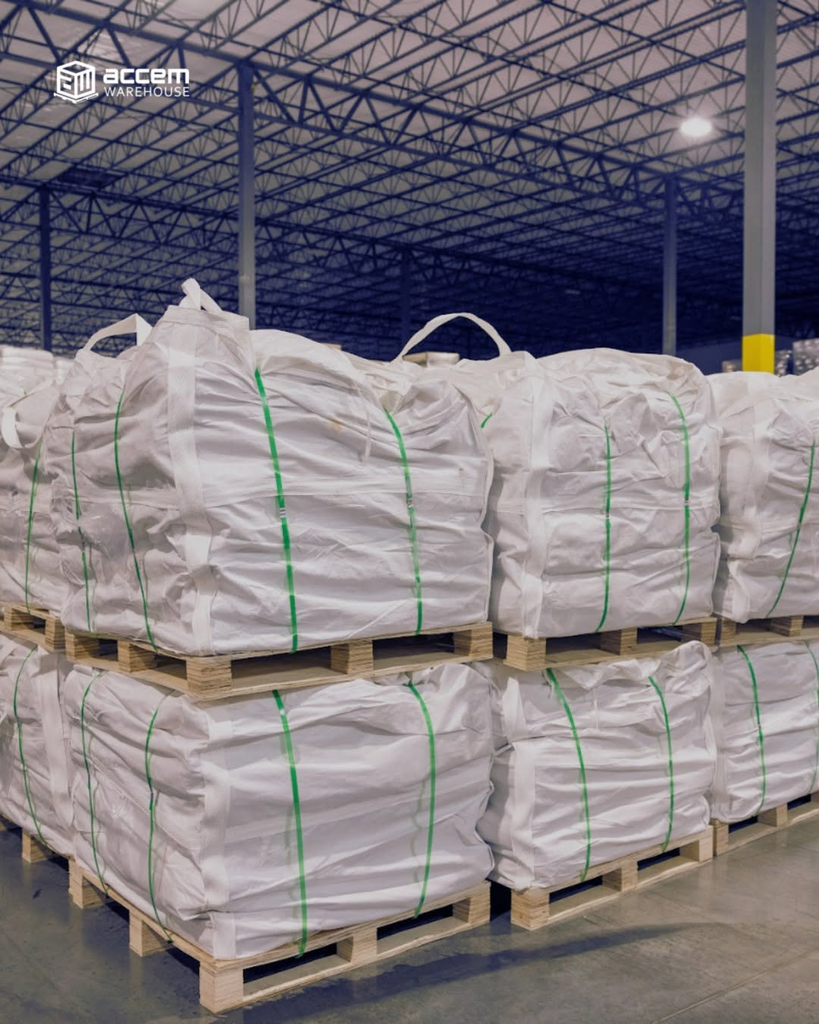
For example, a business could receive a large shipment but only need part of that inventory right away. Depending on the circumstances, a bonded warehouse may provide a place to keep qualifying merchandise while the business plans its next move.
Accem Warehouse offers bonded warehousing as part of its broader storage and logistics services. Having access to warehousing, inventory tracking, devanning, transloading, and transportation support can make it easier to manage several steps of the import process in one place.
When Does Bonded Storage Make Sense for Imported Goods?
Bonded storage can be useful when your imported merchandise has arrived, but you are not ready to complete every step of the entry and distribution process immediately.
One common reason is timing. Your container may reach the port before you are ready to move all of the merchandise into normal distribution. A bonded facility can provide another option while you work through the next steps.
It may also make sense when you are managing larger amounts of imported inventory. Paying duties and moving every product into the domestic market at once may not always match your actual sales or distribution schedule.
Some businesses also import goods that may later be exported again. Depending on the situation and customs requirements, keeping qualifying merchandise in a bonded environment may provide more flexibility than immediately entering those goods into U.S. commerce.
There can also be situations where customs paperwork or other import requirements take time to complete. Having a secure storage plan in place can help prevent your logistics process from becoming more difficult while those details are being addressed.
The important point is that a bonded warehouse is not automatically the best choice for every imported shipment.
If your goods are already cleared, duties have been handled, and the merchandise needs to move directly into regular distribution, standard warehouse storage may make more sense. The right answer depends on the product, customs status, expected storage time, and what you plan to do with the merchandise next.
Costs matter too. Storage, handling, transportation, and customs-related services all need to be considered when comparing options. A solution that gives you more flexibility still needs to make financial sense for your business.
This is why it helps to look at the entire shipment rather than focusing only on warehouse space.
Ask yourself:
What is arriving?
When do you expect to need the inventory?
Has the merchandise cleared customs?
Will the products be sold in the United States or possibly exported?
How long might storage be needed?
What handling will be required when the container arrives?
Those questions can help you have a more useful conversation with your customs broker, freight forwarder, and warehouse provider.
What Should You Look for in a Bonded Warehousing Partner?
Location is an important place to start.
Imported goods often move through several steps before reaching their final destination. A warehouse located close to major ports and highways can help simplify transportation between the terminal, storage facility, and next delivery point.
Accem Warehouse operates in the New York and New Jersey port region, with facilities positioned near major marine terminals and transportation routes. For businesses bringing cargo through the area, that proximity can make it easier to coordinate container movement and warehouse receiving.
You should also look beyond storage space.
Think about what needs to happen when the shipment arrives. Does the container need to be unloaded? Will floor-loaded products need to be palletized? Do goods need to be transferred to another truck? Will you need inventory reporting while the merchandise is stored?
Services such as devanning and transloading can be useful when goods need additional handling after leaving the port. Inventory tracking is also important because you need clear records of what was received, where it is stored, and what has been released.
Security should be part of the conversation as well. Imported merchandise may remain in storage for weeks or months, so you want to understand how the facility controls access, tracks inventory, and monitors the warehouse.
Communication matters just as much as equipment and warehouse space. When customs requirements, trucking schedules, and inventory needs overlap, you need to be able to reach the people handling your goods.
At Accem Warehouse, online tracking, account management, reporting, customer support, and compliance advising are part of the warehousing services available to customers. Those tools can help businesses stay informed while their products move through different stages of the supply chain.
Before choosing any bonded facility, explain your shipment clearly. Share the product type, volume, container details, customs status, expected storage time, and what you expect to happen next. The more information your warehouse provider has, the easier it is to determine whether the facility and services fit your needs.
Frequently Asked Questions About Bonded Storage
What is the main purpose of a bonded warehouse?
A bonded warehouse provides an approved place to hold certain imported goods under customs control before duties are paid and the merchandise is released into U.S. commerce. It can give importers more time and flexibility when managing qualifying shipments.
How long can imported goods stay in a bonded warehouse?
U.S. Customs and Border Protection states that imported dutiable merchandise may generally remain in a customs bonded warehouse for up to five years from the date of importation. Specific rules and exceptions may apply, so businesses should confirm requirements for their merchandise with CBP or a qualified customs professional.
Is bonded warehousing only useful when customs clearance is delayed?
No. A business may use bonded warehousing for several reasons, including inventory timing, duty management, future export plans, or the need for temporary storage before merchandise enters domestic distribution.
Can products be handled while they are in a bonded warehouse?
Some handling or processing may be allowed depending on the type of bonded facility and applicable customs rules. If your shipment needs devanning, transloading, inspection, labeling, or another service, confirm what is permitted before the goods arrive.
What information should I have before asking about bonded storage?
Be ready to share what you are importing, shipment volume, container type, customs status, expected arrival date, estimated storage time, and what needs to happen to the goods afterward. These details help a warehouse provider understand your needs.
Is Bonded Storage Right for Your Next Shipment?
Bonded warehousing can be a useful tool, but it should fit the way your business actually imports and distributes products.
If your goods have arrived before you are ready to enter them into U.S. commerce, you need more flexibility with duty timing, or your shipment requires secure storage while the next step is planned, bonded storage may be worth considering. The key is understanding your customs requirements and building a plan before the container arrives.
You should also consider the full logistics picture. Port pickup, container unloading, storage, inventory tracking, and transportation all affect how smoothly imported goods move through your supply chain.
If you are planning an upcoming import or want to discuss bonded warehousing in the New York and New Jersey port region, contact us to speak with the team or schedule a conversation about your shipment. We can help you review your storage and handling needs and determine the next practical step for your imported goods.